


















Pueblo is preparing to welcome a new kind of cultural landmark, one that blends art, science, engineering and imagination into a single experience. The Leonardo da Vinci Museum of North America & STEAM Center will officially open its doors on June 12, 2026, along Pueblo’s Historic Arkansas Riverwalk, marking a major moment for the city and the region.
This museum is notable not only for its subject, but for its scope. It is being positioned as the first permanent museum in North America dedicated to Leonardo da Vinci’s machines, offering visitors a chance to explore the ideas of one of history’s greatest thinkers in a hands-on, immersive way.
While Leonardo da Vinci is often remembered for iconic paintings, this museum focuses on the full breadth of his genius. His work as an inventor, engineer and problem-solver takes center stage, showcasing designs that explored flight, mechanics, anatomy, many of which were centuries ahead of their time.
Bringing Leonardo’s Idea to Life
One of the defining features of the museum is its partnership with the Artisans of Florence. Their work forms the core of the museum’s collection, with carefully crafted models that reflect how da Vinci’s machines would have been built using materials and techniques from his time.
These are not static displays. The museum is designed to be interactive, encouraging visitors to engage directly with the concepts behind each invention. From mechanical systems to early flight designs, the exhibits are meant to be explored, tested and experienced.
This hands-on approach places the museum firmly within the STEAM framework, bringing together science, technology, engineering, arts and mathematics in a way that feels accessible and engaging.
Why Pueblo?
Pueblo’s history as a center of industry and craftsmanship aligns naturally with the spirit of innovation that defined Leonardo da Vinci’s work.
For generations, Pueblo has been a place where things are built and where creativity and practicality intersect. That identity continues today, with a growing arts community and a renewed focus on cultural development. The museum builds on that foundation, positioning Pueblo as a destination for both learning and exploration.
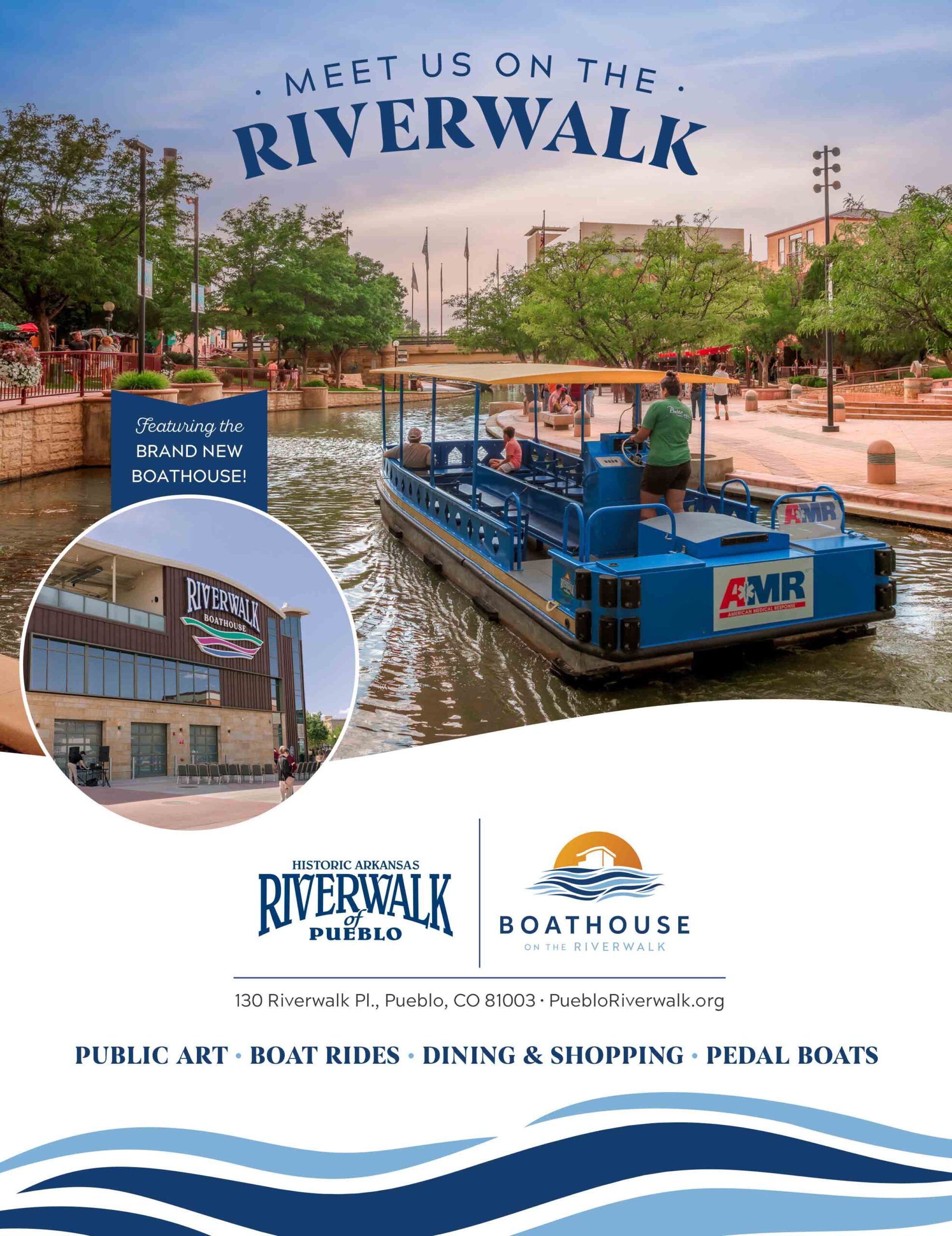
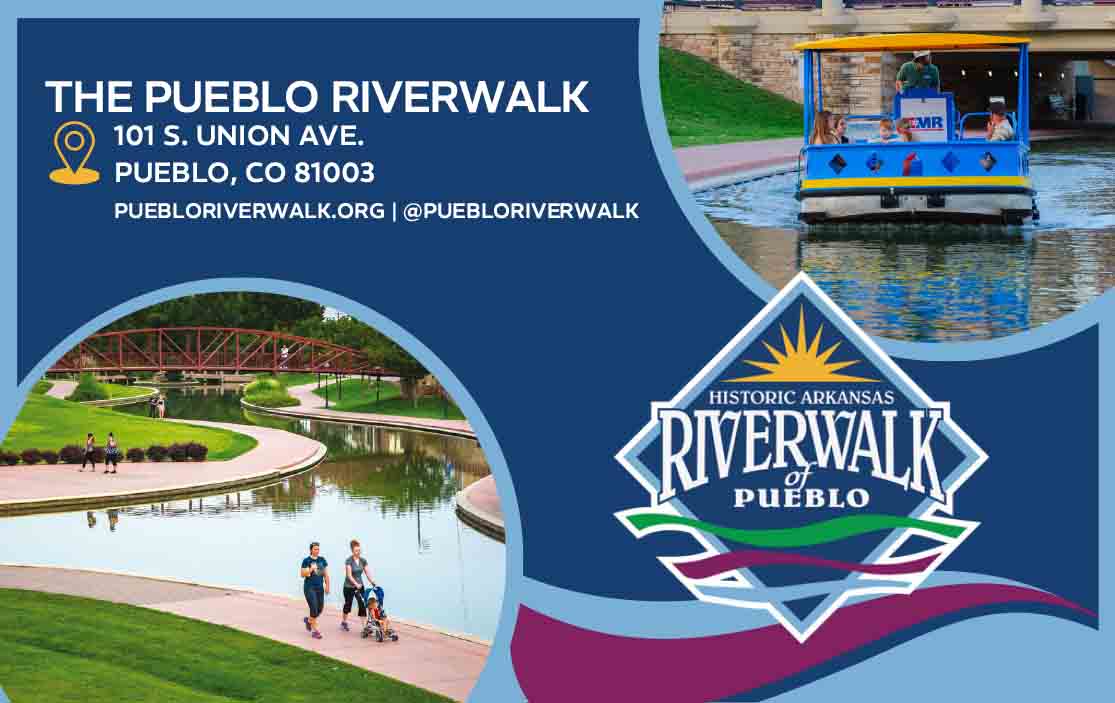
Its location along the Riverwalk, near the Pueblo Convention Center, places it at the center of the city’s ongoing downtown growth. Community leaders and planners see the museum as a key piece of that momentum, with the potential to attract visitors from across the state and beyond.
A Local Artist’s Mark
While the museum is rooted in the legacy of Leonardo da Vinci, it is also deeply connected to Pueblo’s own creative community.
One of the most visible examples of that connection is the work of Eric McCue, a Pueblo-based artist known for his large-scale metal sculptures. McCue is creating a larger-than-life, rotating sculpture inspired by the Vitruvian Man, which will be installed outside the museum.
The piece will serve as a striking visual landmark, blending classical inspiration with industrial materials in a way that reflects both da Vinci’s influence and Pueblo’s identity as a city of makers. It also creates an immediate point of connection between the museum and the community, welcoming visitors before they even step inside.
McCue’s involvement highlights an important aspect of the project. This is a museum, placed in Pueblo, being shaped, in part, by the artists who call the city home.
Looking Ahead
As the June 2026 opening approaches, the Leonardo da Vinci Museum of North America represents more than a new attraction. It reflects years of vision, collaboration and belief in what the project could become.
It is a place where art meets engineering, history meets innovation and where curiosity is encouraged at every turn. It offers an experience that is educational, interactive and deeply rooted in both global history and local identity.
For Pueblo, the museum marks a new chapter, one that builds on its past while looking toward the future. And much like the work of Leonardo da Vinci himself, it is driven by a simple yet powerful idea: creativity and curiosity have the ability to shape what comes next.