

















Featured image courtesy of Katie Sermons
The Pikes Peak region is known for its sweeping landscapes, but just as defining as its mountains and beautiful red rocks is the creative energy that flows through its communities. From Pueblo to Colorado Springs, stretching through Manitou Springs, Old Colorado City, and into Teller County, the arts are not simply an amenity; they are also a defining part of the region’s identity.
That identity is deeply rooted in both culture and place. Long before formal galleries and performance venues existed in this region, local Indigenous communities, including the Ute peoples, expressed their stories, beliefs, and daily life through art, using natural materials and the surrounding environment as both medium and inspiration. This relationship between land and creativity continues to shape the area today.
As settlers arrived in the late 19th century, the area quickly became a destination for artists, writers and creatives drawn to its dramatic scenery. One of the earliest and most influential figures was Helen Hunt Jackson, a writer and activist who lived in Colorado Springs and helped shape the cultural narrative of the American West. Around the same time, many painters began capturing the striking presence of Pikes Peak, helping to establish the region as a place of artistic inspiration.
The founding of the Colorado Springs Fine Arts Center in 1936 marked a major turning point, establishing one of the first multidisciplinary arts institutions in the region. With its museum, theater, and art school, the Fine Arts Center created a lasting foundation for arts education and performance. It also became home to works by Boardman Robinson, the nationally recognized muralist and early Fine Arts Center leader who helped define the region’s artistic voice.
Meanwhile, in Pueblo, the arts developed alongside the city’s industrial growth. As a steel town, Pueblo cultivated a strong working-class culture that influenced its creative expression. This legacy continues through institutions like the Sangre de Cristo Arts and Conference Center, a cornerstone for arts education, exhibitions, and performance in Southern Colorado.
The latter half of the 20th century brought increased organization and collaboration between the Pikes Peak Arts Council and the Cultural Office of the Pikes Peak Region, which helped unify efforts, support artists, and position creativity as both a cultural and economic driver.
Today, the Pikes Peak region’s arts ecosystem reflects decades of intentional growth and collaboration, an interconnected network that continues to evolve and inspire. But art is not confined to galleries or stages; it is embedded in daily life, shaped by history and carried forward by communities that continue to see the benefit in investing in creativity.
PUEBLO: A CREATIVE HUB ANCHORED IN COMMUNITY
Pueblo’s art scene is rooted in accessibility, authenticity, and a strong sense of place. One of the clearest ways to experience this is along Santa Fe Drive, a historic corridor just off the highway that leads straight into the heart of Pueblo’s arts and cultural district. What starts as a simple exit quickly turns into something more, drawing you into a community where history, creativity and identity come together.
At the center of Pueblo’s arts infrastructure is the Sangre de Cristo Arts and Conference Center, offering galleries, a children’s museum, performance spaces and educational programming that serve a wide range of audiences. Organizations like the Pueblo Arts Alliance also play an important role in supporting local artists and strengthening the creative community. Still, Pueblo’s creative energy extends far beyond its institutions.
The city is currently experiencing an exciting evolution in its artistic landscape. The anticipated opening of the Leonardo da Vinci Museum represents a bold and innovative addition, blending art, science, and education. As the first of its kind in North America, the museum is expected to become a major cultural and educational destination.
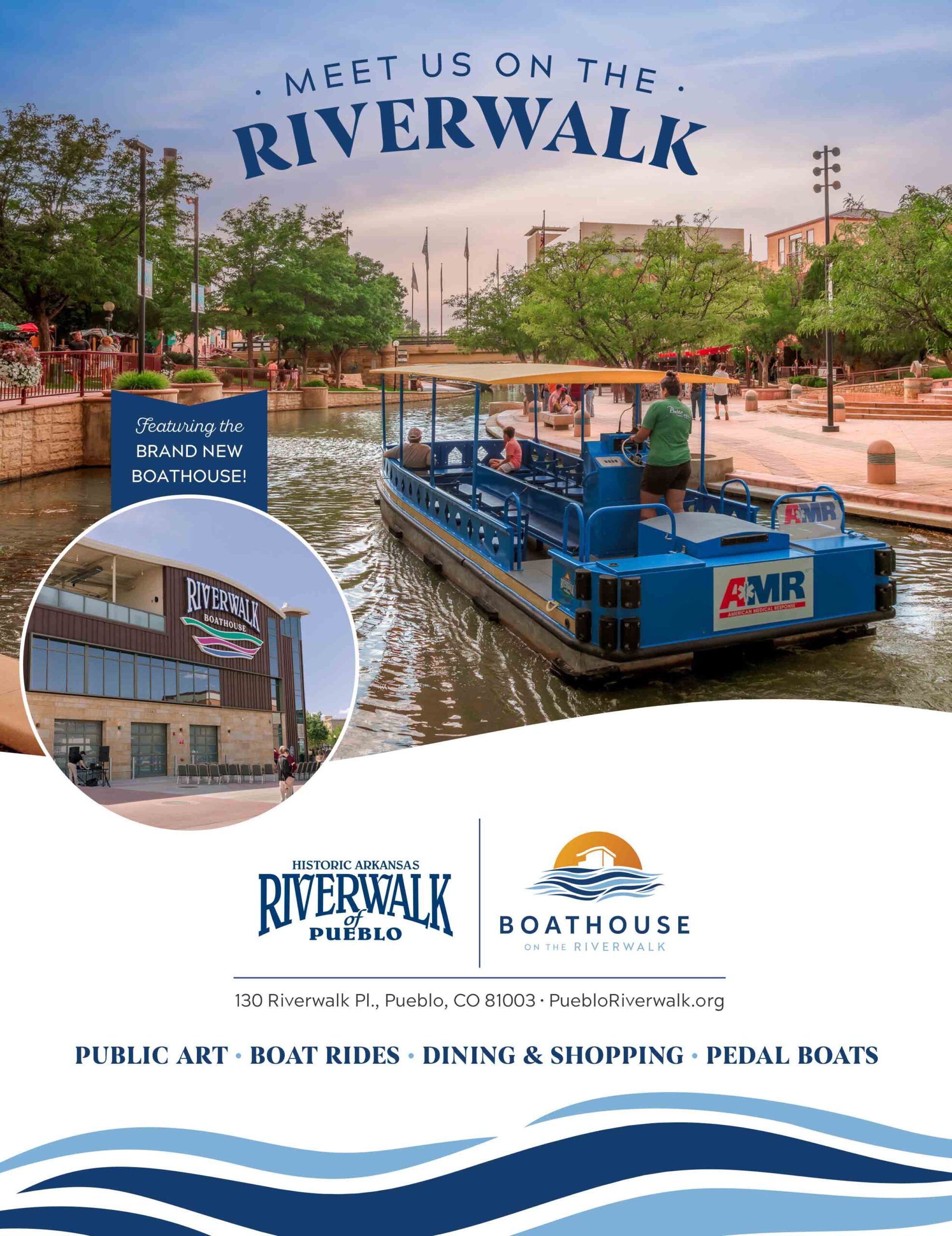
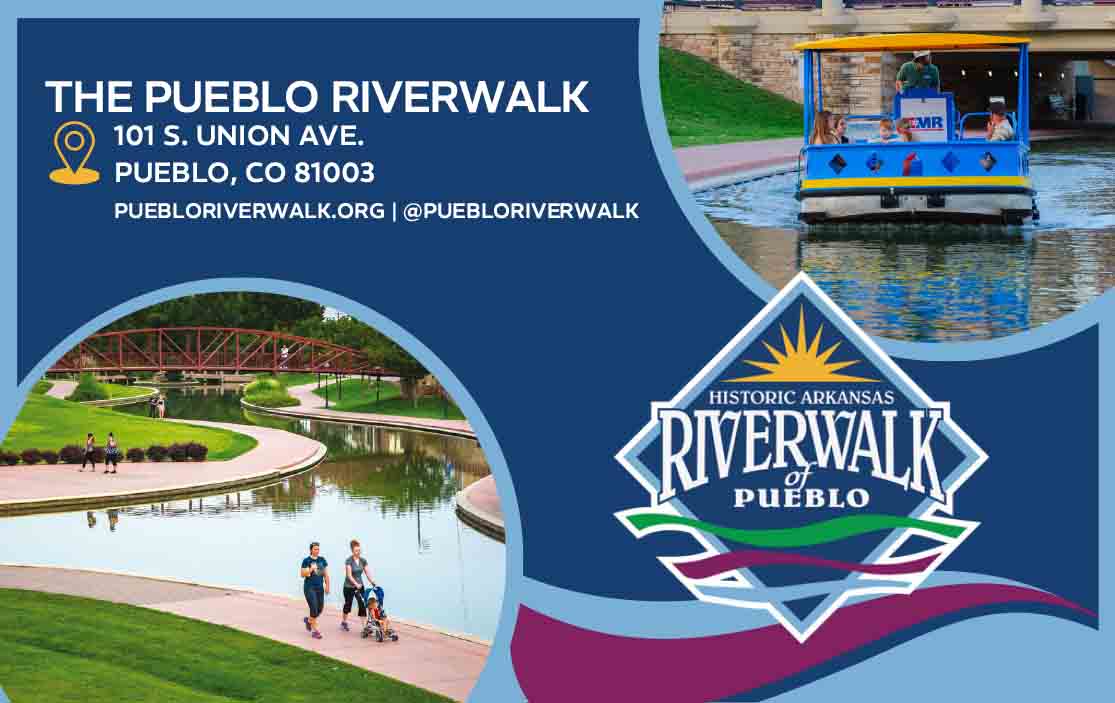
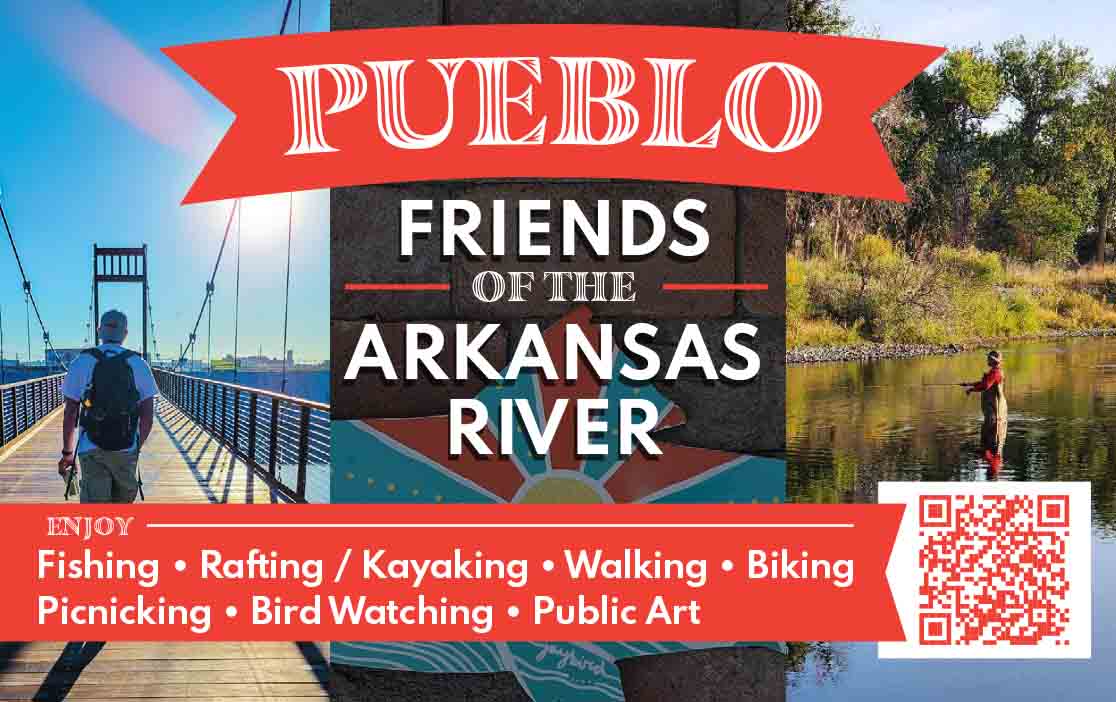
Public art continues to expand across the city in meaningful ways. The levee and Riverwalk areas have increasingly become spaces for murals and installations, transforming infrastructure into a medium for storytelling, reinforcing Pueblo’s commitment to integrating art into everyday life.
The performing arts also play an important role, with groups like the Impossible Players bringing live theater to local audiences and adding another layer to the city’s creative identity.
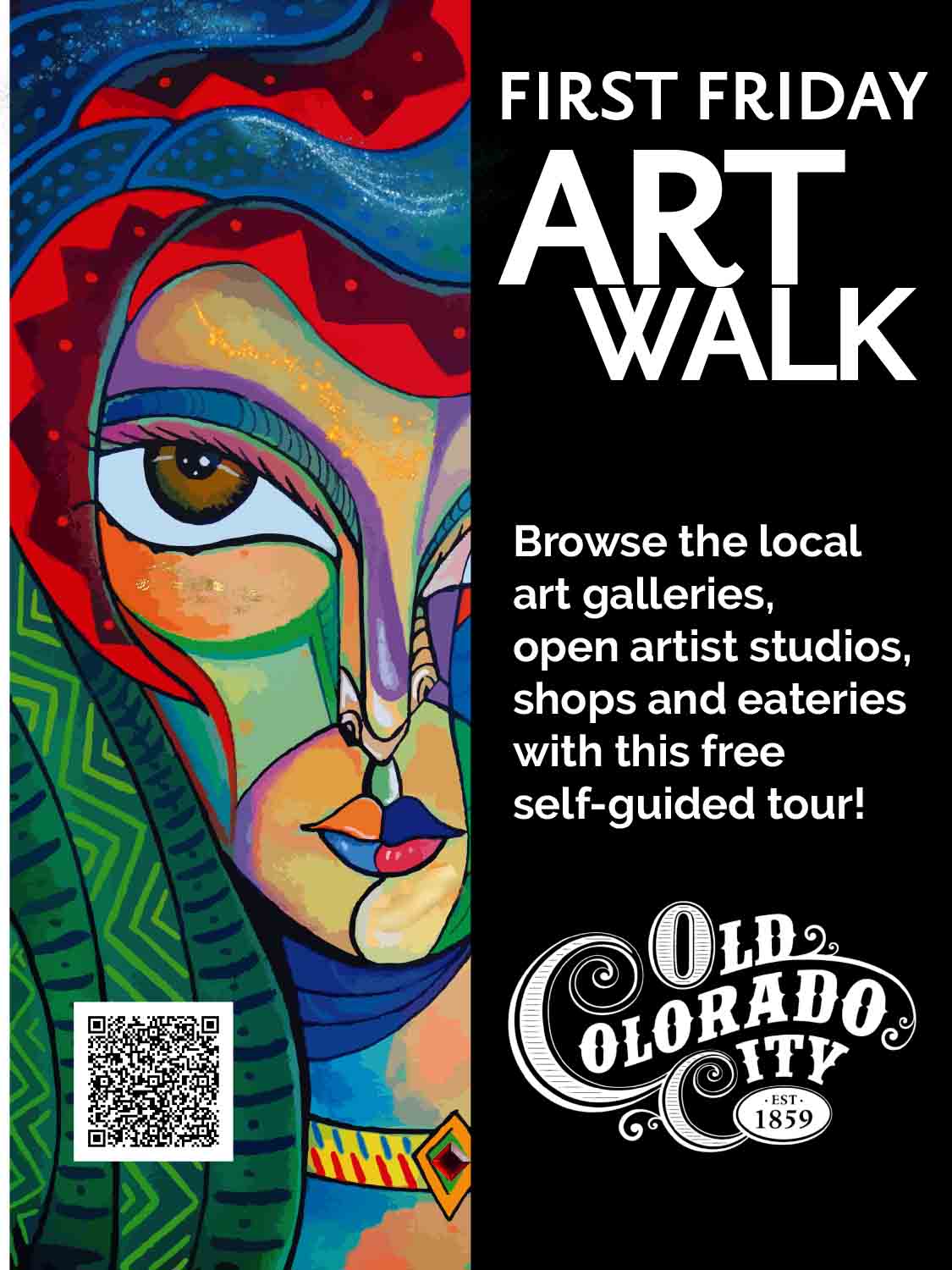
Popular events such as First Friday Art Walks continue to anchor community engagement, bringing together artists, galleries, and the public in a way that feels both organic and celebratory. Organizations like the Creative Consortium of Pueblo play a vital role in supporting these efforts and elevating local talent.
Pueblo’s strength lies not just in its venues, but in its ability to make art accessible, visible and deeply connected to its community.
COLORADO SPRINGS: A CITY ALIVE WITH ART & PERFORMANCE
As the largest city in the region, Colorado Springs offers a dynamic and expansive arts ecosystem. With dozens of galleries and a wide range of performance venues, the city balances large-scale institutions with emerging creative spaces.
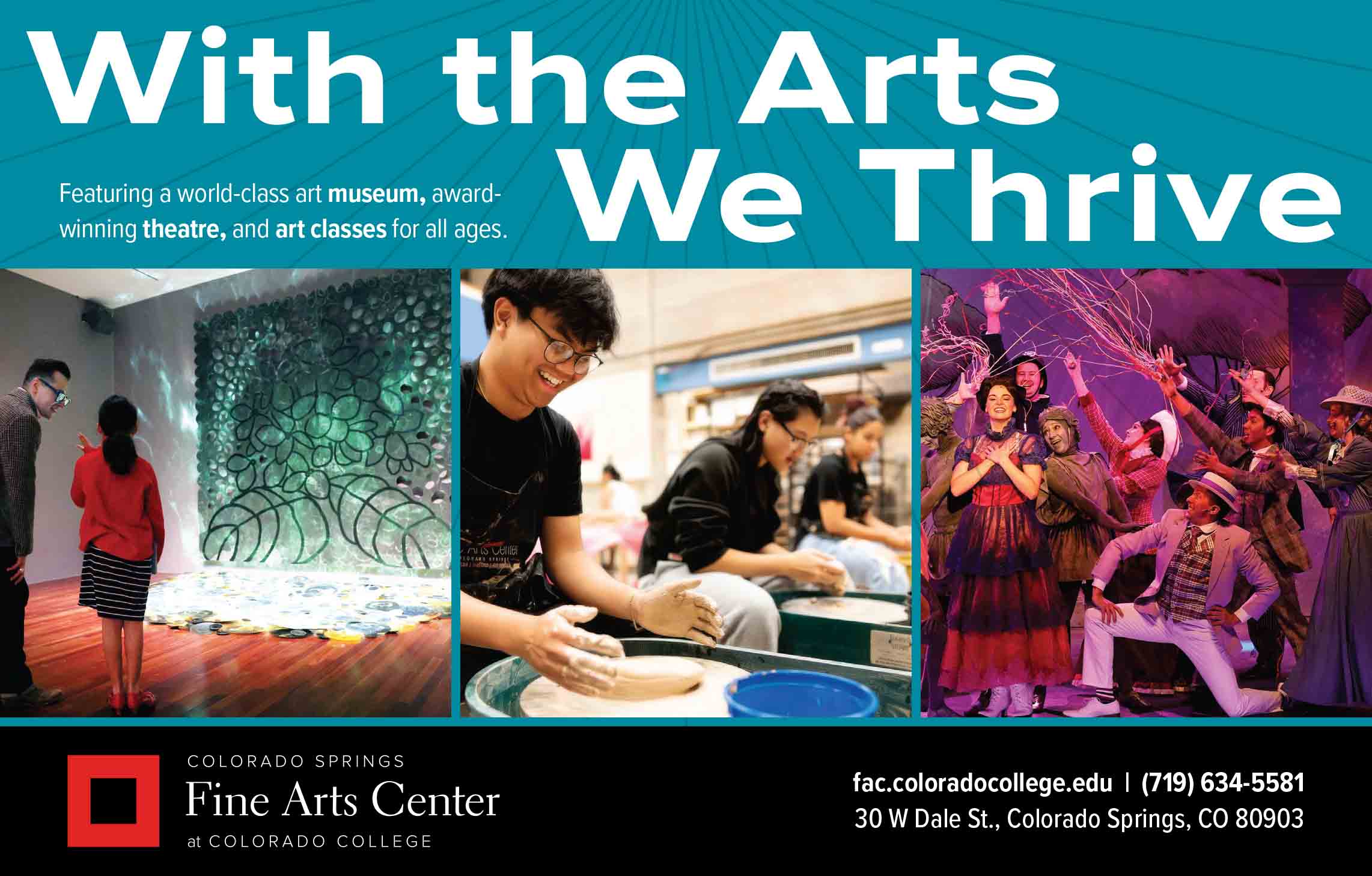
The Colorado Springs Fine Arts Center at Colorado College remains a cornerstone of the arts community, offering exhibitions, performances and educational programming under one roof. Nearby, the Ent Center for the Arts and the Pikes Peak Center for the Performing Arts host everything from concerts and touring productions to local performances.
Organizations such as the Colorado Springs Philharmonic and Opera Theatre of the Rockies contribute to a robust and diverse cultural calendar. Efforts led by groups including Downtown Colorado Springs and PeakRadar, help connect audiences to events, while public art throughout the downtown corridor continues to make creativity visible and accessible.
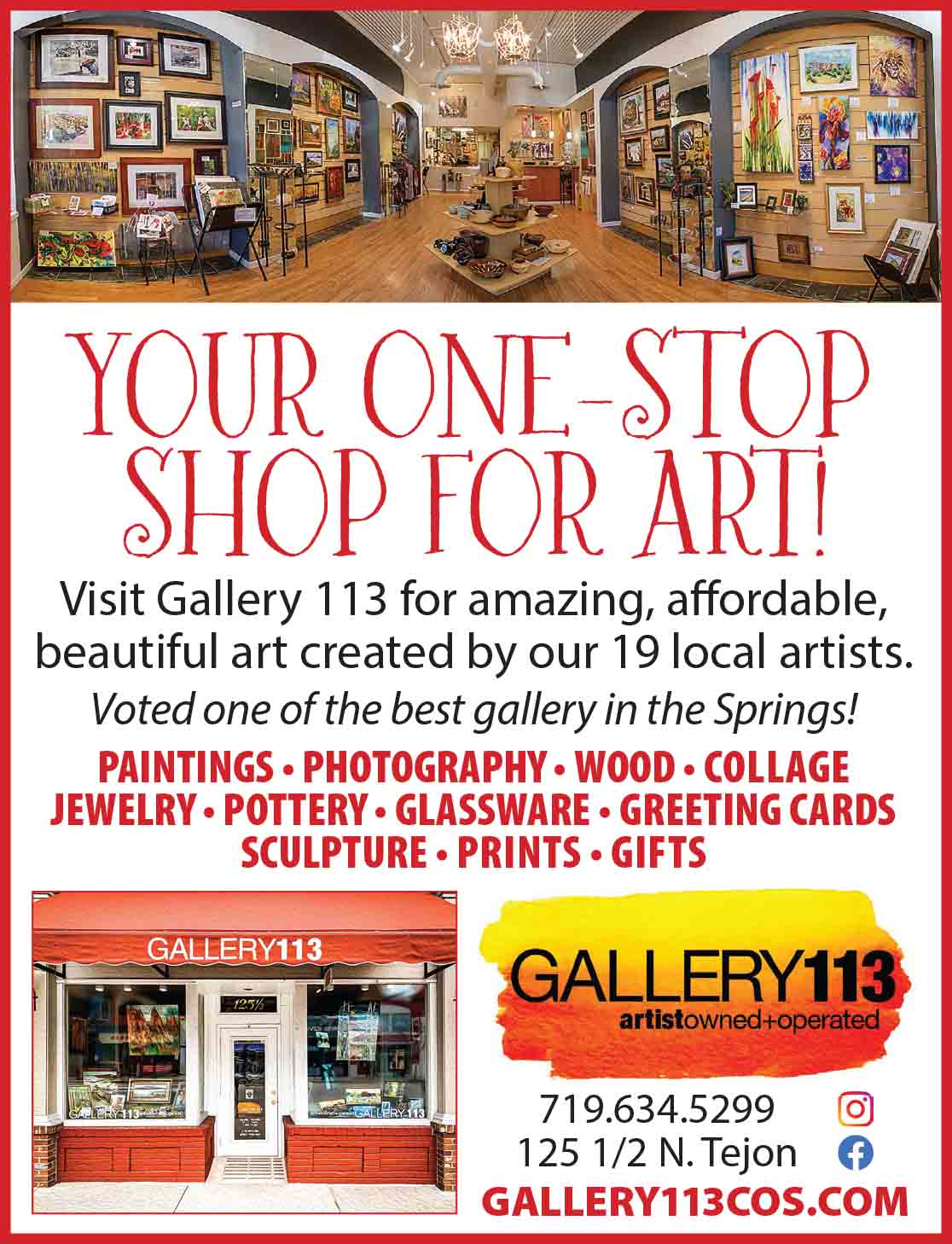
At the same time, Colorado Springs continues to nurture emerging talent. Local galleries, including spaces like Gallery 113, and collaborative creative hubs are increasingly highlighting up-and-coming artists working in contemporary media, from mixed media and digital art to experimental performance. Artist Kai Gaynor, known for immersive, interactive work that invites direct audience engagement, reflects the city’s growing embrace of innovative creative expression. In the performing arts, artists such as singer/songwriter Natalie Layne also demonstrate how local talent can grow to reach audiences well beyond the region.
MANITOU SPRINGS & OLD COLORADO CITY: WHERE ART MEETS ATMOSPHERE
Manitou Springs and Old Colorado City offer a more intimate and immersive artistic experience, where creativity is woven into the streets themselves.
Manitou Springs has long been known as an artist haven, with spaces like Commonwheel Artists Co-op and Gallery 515 at the Manitou Art Center—both showcasing a wide range of local and regional work. Events like the Commonwheel Art Festival continue to draw artists and visitors from across the state, reinforcing the town’s reputation as a creative destination.
Organizations connected through the Manitou Springs Creative District, including groups like the Creative Alliance Manitou Springs (CRANE), help highlight the extensive outdoor art installations found throughout the community. Manitou Springs is also recognized as an official Creative District, a designation that reflects its long-standing commitment to the arts. Because of these group’s dedication, visitors can explore an extensive collection of outdoor sculptures and installations scattered throughout the town, creating an open-air gallery experience that invites discovery. The Iron Springs Chateau in Manitou Springs is a historic dinner theater at the base of Pikes Peak, known for its lively, interactive melodramas where audiences cheer the hero and boo the villain. Guests enjoy a three-course meal followed by a fun, vaudeville-style show. A cool fact: it has been entertaining audiences with dinner theater performances since 1964.
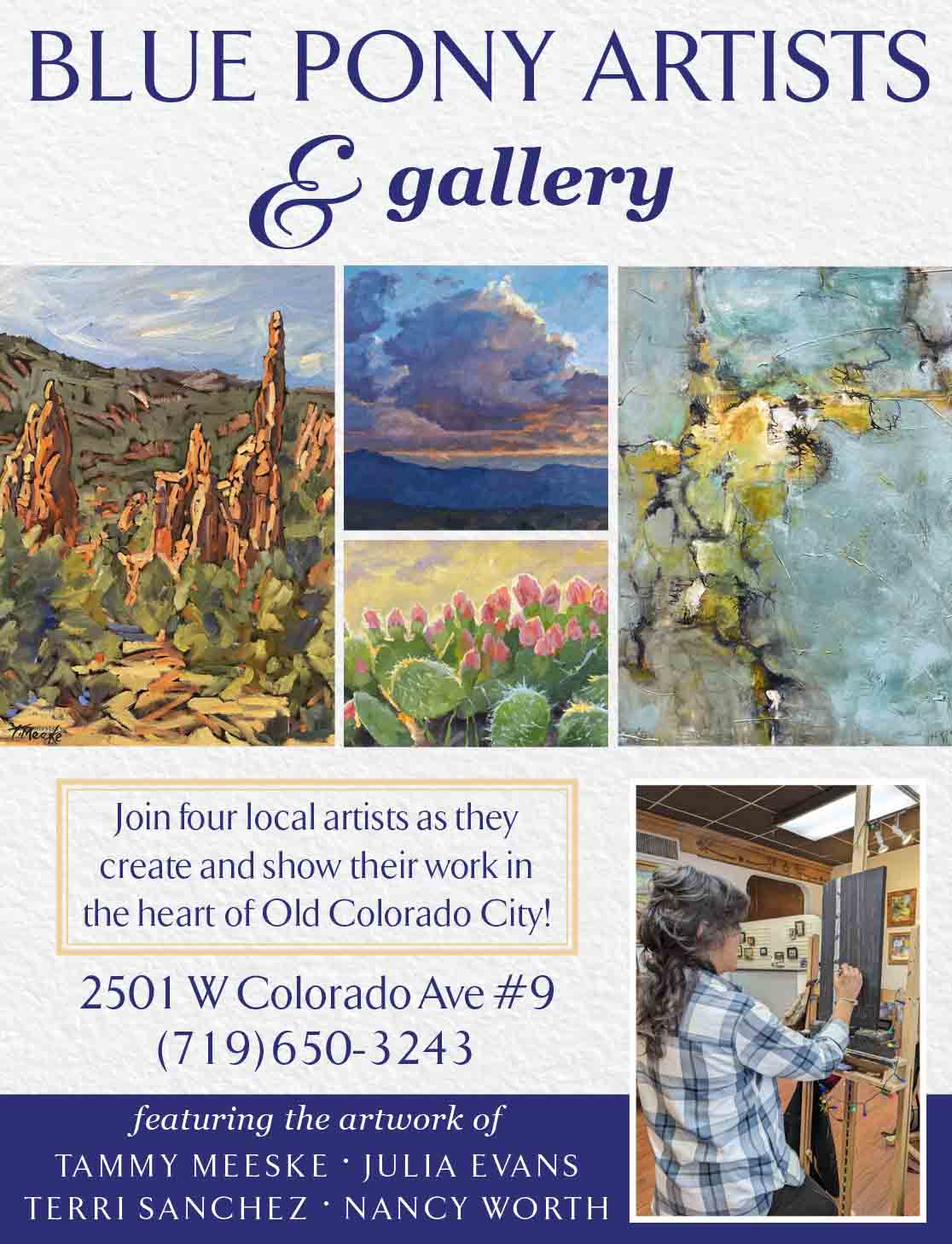
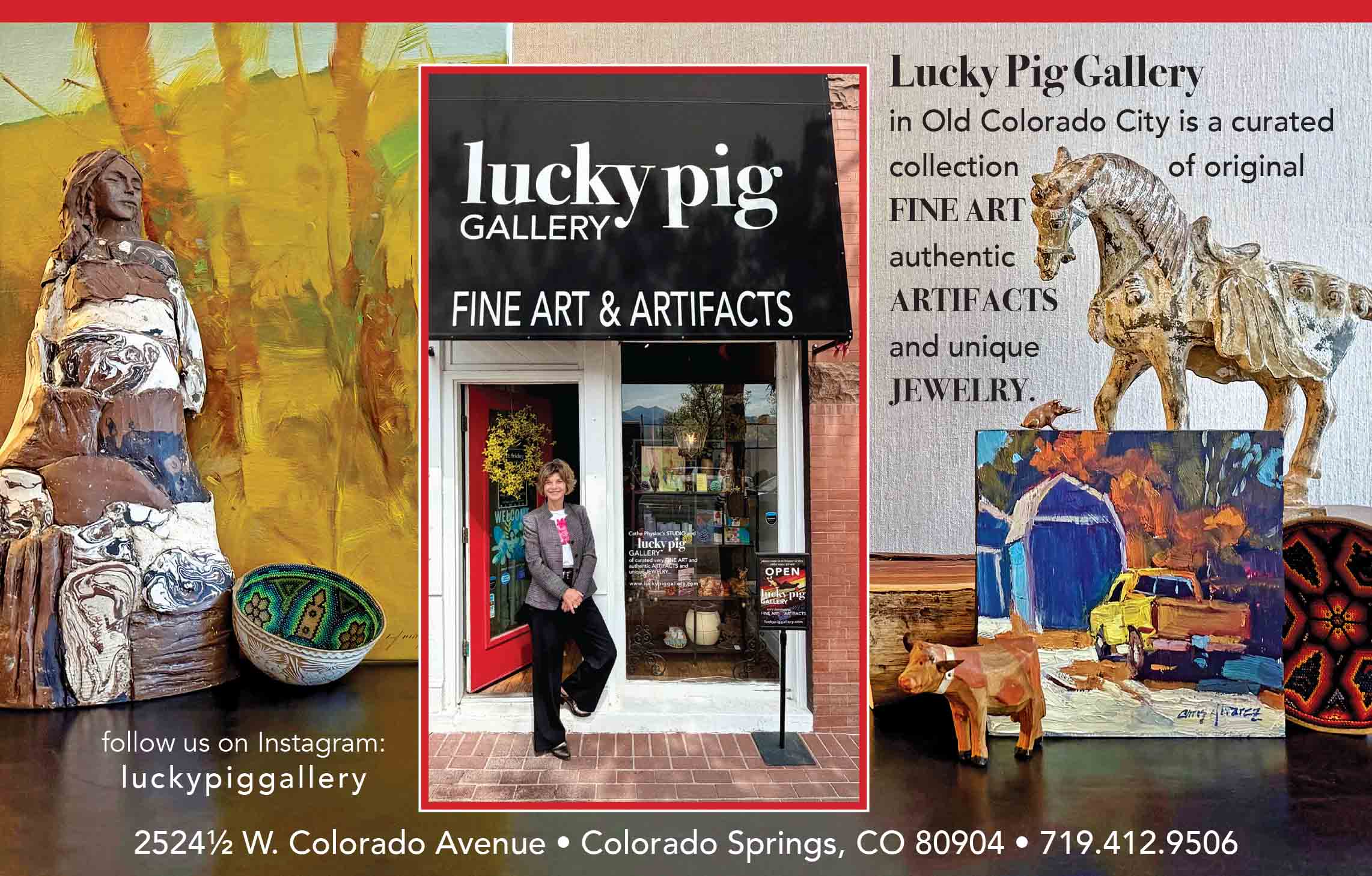
Old Colorado City mirrors this charm with its own rich artistic history and concentration of galleries. With 17 galleries representing hundreds of local artists, the district is home to spaces such as the Michael Garman Museum & Gallery, Hunter-Wolff Gallery, Surface Gallery, Blue Pony Gallery, and Lucky Pig, each contributing to a vibrant, walkable arts experience. Old Colorado City is not only rich in history but also one of the most concentrated arts districts in the region. Its roots as Colorado’s first capital add another layer of depth, with historic storefronts now housing vibrant creative spaces that blend past and present in a uniquely walkable arts experience. Seasonal art walks and events bring the area to life, offering visitors a chance to engage directly with artists and their work.
In both communities, outdoor art plays a significant role, with sculptures, murals, and installations interacting with the natural surroundings and enhancing the visitor experience.
TELLER COUNTY & WOODLAND PARK: A MOUNTAIN ARTS EXPERIENCE
In Teller County, the arts take on a distinctly immersive and community-driven character, shaped by the natural beauty of the surrounding mountains. Woodland Park, the largest city in the county, serves as a central hub for creative activity, offering both structured programming and organic artistic expression.
At the heart of this effort is the Woodland Park Art Gallery, a unique “town gallery” model that extends beyond a single location. With more than ten participating venues within a one-mile radius, the gallery creates a walkable arts experience that invites visitors to explore local businesses while engaging with original works by regional artists. Participants can pick up an art passport, encouraging them to visit each location and experience the creative energy woven throughout the community.
Woodland Park also hosts Art Weekend in Woodland Park, held the first full weekend of each month. The event begins with a Friday evening art walk — often supported by a shuttle service —followed by a Saturday evening art gala at Reserve Our Gallery. During the summer, studio tours provide a deeper look into the creative process.
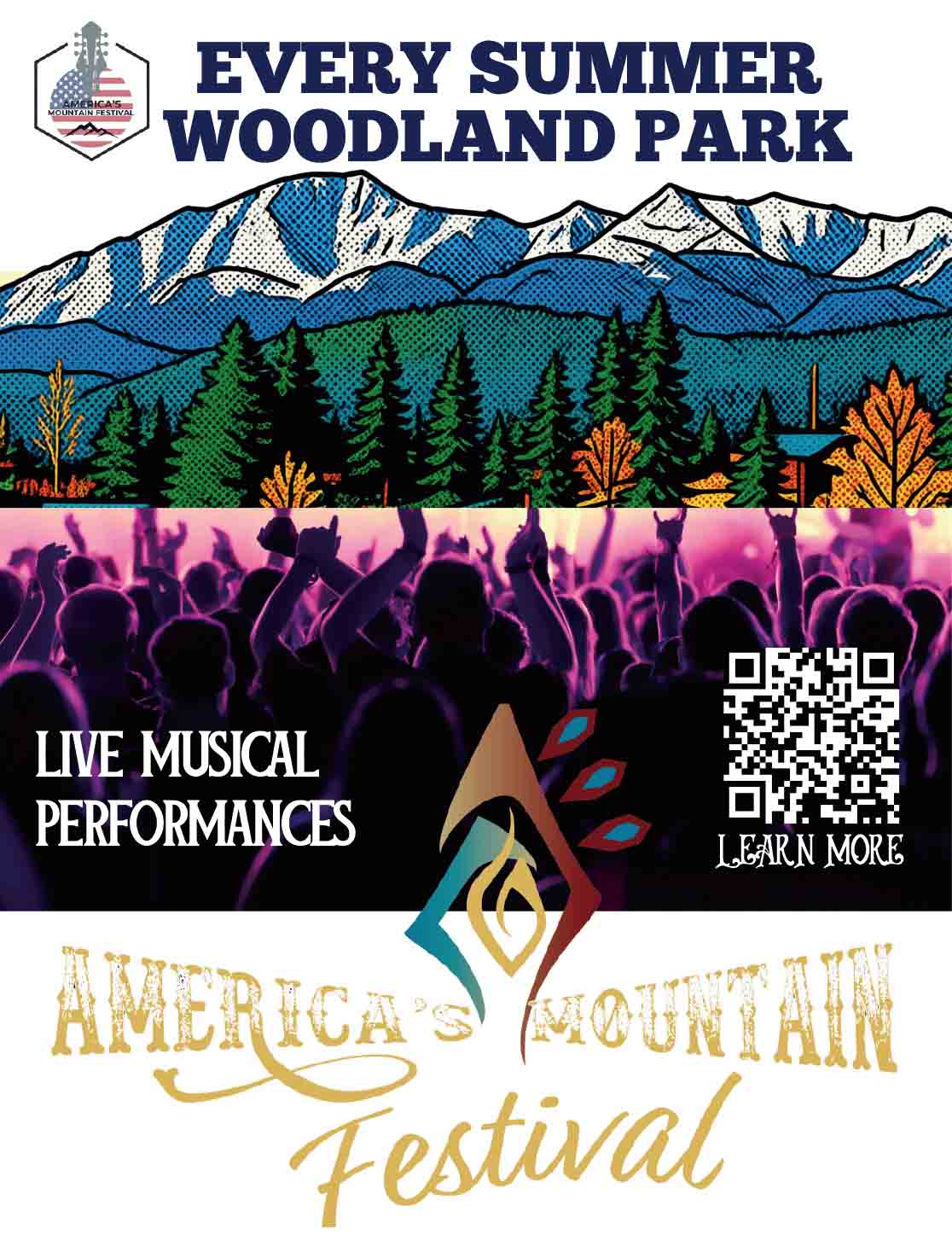
The artistic traditions of this area are also supported by longstanding traditions such as the Mountain Arts Festival and Cripple Creek’s “Once Upon a Time in the West” art show. Newer events like Green Box Arts Festival and America’s Mountain Festival continue to blend music, art, and community engagement.
Teller County is also known for its strong tradition of plein air painting. The Pikes Peak Plein Air Painters’ Peak Art Adventure and Victor Celebrates the Arts invite visitors to watch artists at work, capturing the landscape in real time.
Here, art is not confined to galleries; it exists in conversation with nature, community and place.
COMMUNITIES DEFINED BY CREATIVITY
What sets the Pikes Peak region apart is not just the breadth of its artistic offerings, but the way creativity is woven into everyday life.
Whether it is a First Friday Art Walk in Pueblo, a performance in Colorado Springs, a street musician in Manitou Springs, or a plein air painter capturing the mountains of Teller County, the arts are present, accessible and thriving.
Supported by strong organizations, engaged communities, and a deep cultural history, the Pikes Peak region continues to grow as a place where creativity is not only celebrated, but essential. Much like the landscapes that define it, the arts in Southern Colorado are expansive, layered and constantly evolving. They reflect the people, history, and spirit of those who live here. From steel and stage to canvas and canyon, creativity here is not just something to experience, it is something to live.