


























Not so long ago, Pueblo was the redheaded stepchild of Colorado’s Front Range cities. For much of the 20th century, the air was polluted by emissions from coal-fired power plants and the massive furnace blasts of Colorado Fuel & Iron and the Arkansas River had the nasty habit of flooding downtown, but residents endured. They loved the strength, diversity and long history of their industrial city, and didn’t give a damn what the snobs in Colorado Springs and Denver thought of them. Having survived the Depression, floods and fires, they were used to adversity.
But beginning in the 1970’s, Pueblo’s industrial backbone began to weaken. The vast network of railroads and rail yards had largely disappeared in previous decades, and the city’s once-vibrant downtown was in decline and in disrepair. Demand for Colorado Fuel and Iron’s specialized steel products collapsed in 1982, and thousands of steelworkers lost their jobs. Unemployment in Pueblo reached 20 percent, and Pueblo leaders realized that the city had to do something—but what?
In 1991, city leaders came up with an unlikely plan: divert water from the Arkansas River and create a downtown riverwalk similar to San Antonio’s. It would take many years and require substantial federal, state and municipal investments, but the returns could be significant. Downtown private investment would increase, the city’s historic core would become a visitor destination, businesses large and small would thrive and Pueblo would prosper—or so they hoped.
It was a long and difficult process. Funding was secured, water rights were protected, property was acquired and Pueblo voters were persuaded to support the project. Many were doubtful, but as Riverwalk Executive Director Lynn Clark wrote recently, “Communities in crisis are often willing to take risks.”
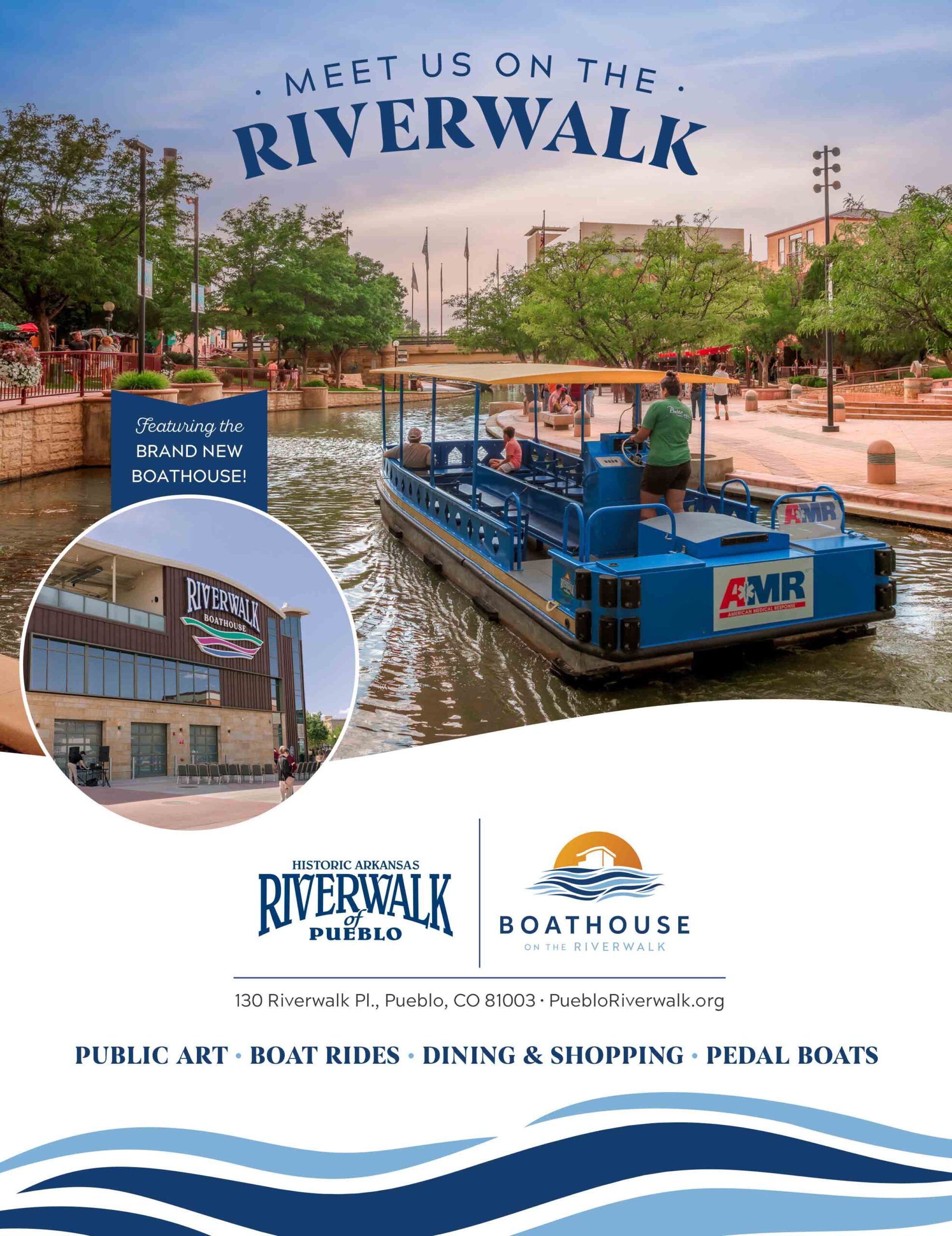
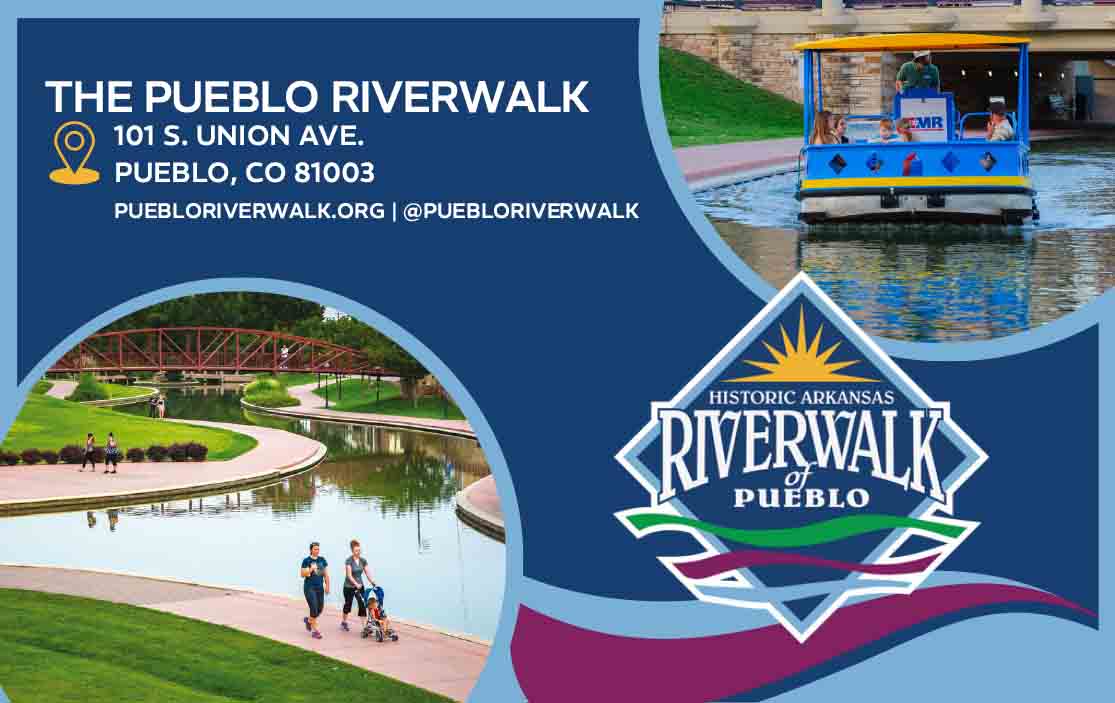
The Riverwalk opened in 2000, and it quickly became evident that its proponents had understated its impact. It didn’t just revivify downtown—it redefined the city. It’s a tranquil waterfront park, an event venue, a city gathering place and a tourist destination with 500,000 annual visitors from Colorado and other states. What was once a dreary wasteland of “parking lots, stormwater runoff ditches and utility runoff ponds” has become Pueblo’s front door.
Most of all it’s easy to access, fun to visit and constantly expanding. You can take a ride in a gondola, rent a paddleboat, take a sightseeing cruise, or just do a walkabout. It’s the beating (or flowing) heart of the city, a tamed and gentle branch of the mighty Arkansas. It nourishes the soul, pleases the eye and provides an economic lifeline to neighboring businesses.
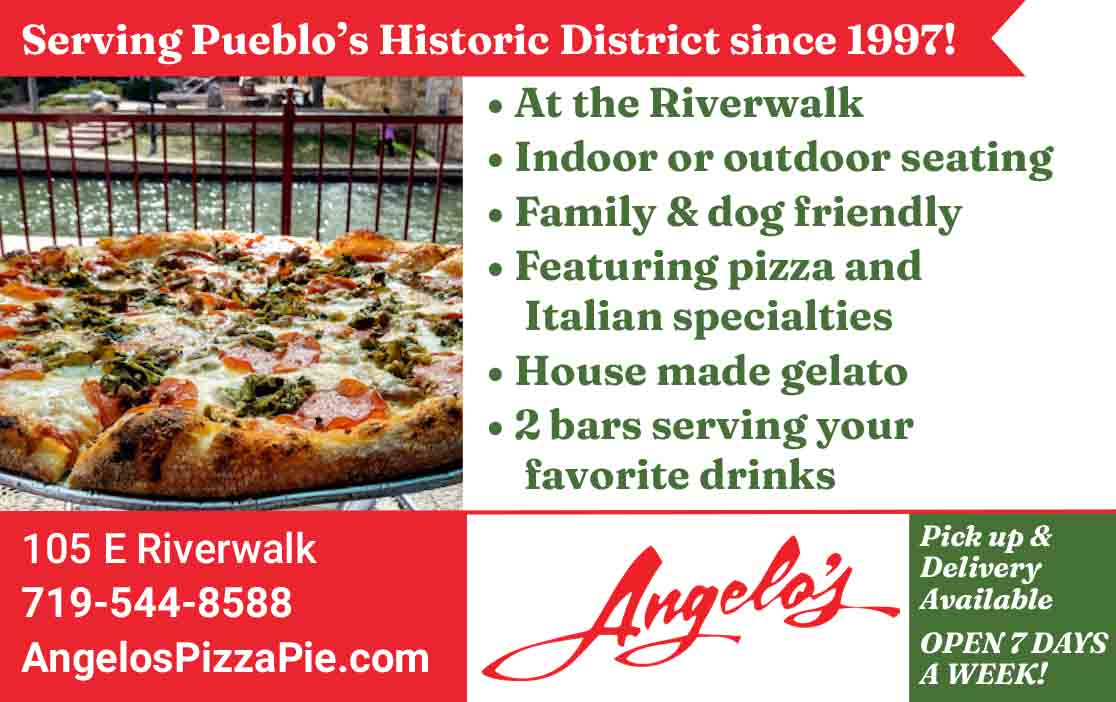
And there’s more to come: the Riverwalk has begun major east-west expansions. The eastern channel extension would eventually take the channel under I-25 to Lake Elizabeth, and the western expansion would unify property adjacent to the west end of the Riverwalk. When you’re in Pueblo, check out the Riverwalk—restaurants like the delicious Angelo’s Pizza and shops like the Ten Spot II and CoLLECTiVE are must-visits!